
PEDAGODY
Our endeavor is to work towards a new way of considering learning at Emmaus where the ‘grade levels’ of our children become less relevant and their needs and strengths become the measure of future learning directions.
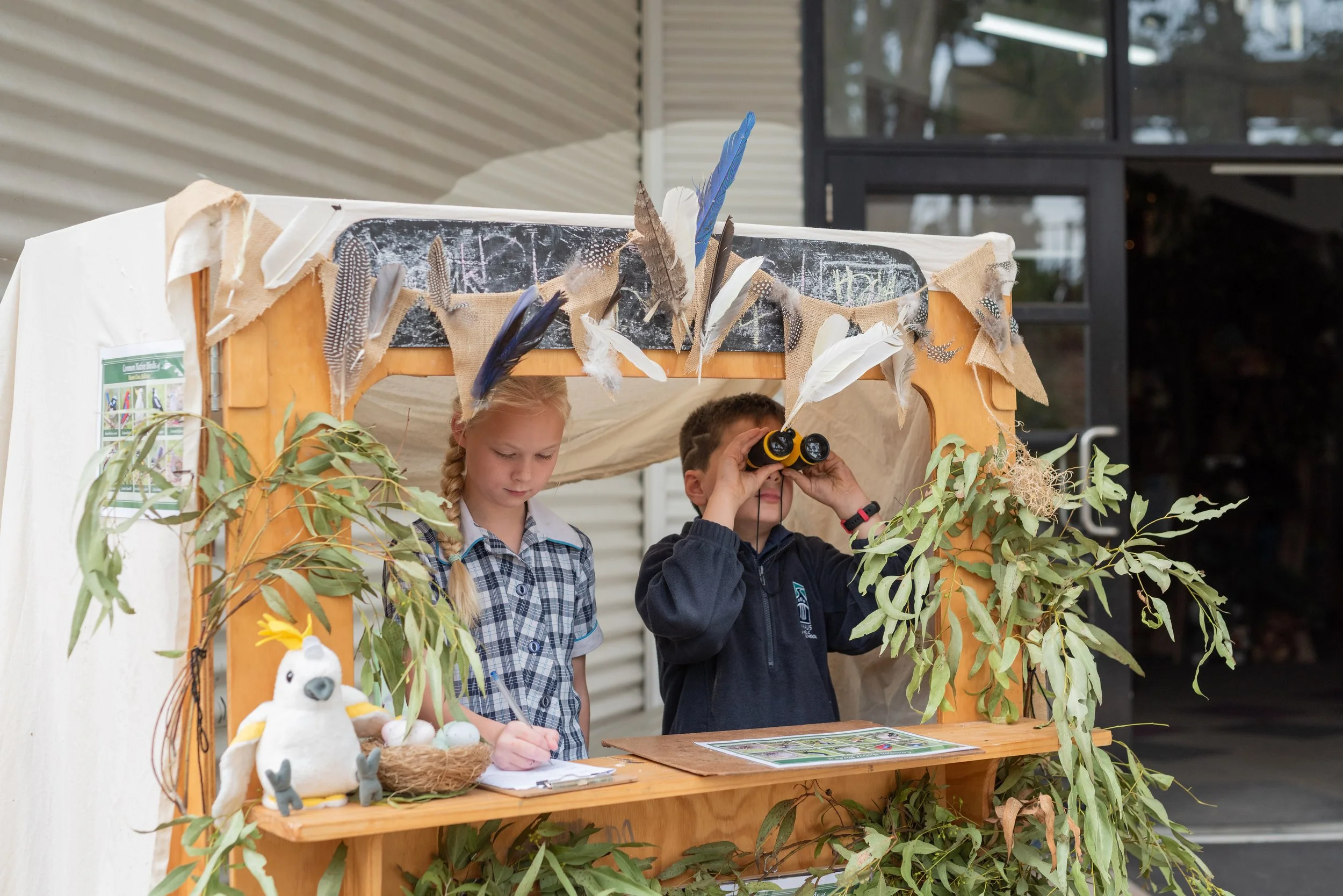
Our approach to learning and teaching is driven by a strong balance of explicit instruction and a play based pedagogy. These 2 aspects strategically unite to provide students a rich and rigorous learning platform from which they can gain the knowledge, skills, strategies and confidence to author their own future.
EXPLICIT INSTRUCTION
Explicit instruction is a structured, teacher-led approach where skills and knowledge are taught explicitly through direct explanations, modeling, guided practice, and feedback.
Here at Emmaus we offer what we believe is an unparalleled combination of play-based learning, alongside explicit instruction, that empowers children to become the authors of their own future.
Key Features:
Step-by-step instruction with clear learning goals
Teacher-directed lessons with modeling and scaffolding
Frequent checks for understanding and immediate feedback
Gradual release of responsibility (I do, We do, You do)
At Emmaus Sounds Write, a synthetic evidence based phonics program is taught which is structured around the sounds of speech. Sounds Write teaches all representations for the sounds of English in the context of real words. There are three essential skills within the Sounds Write program; blending, segmenting and phoneme manipulation. Each of these skills are taught explicitly and practised in the context of reading and spelling words in every lesson.
From Years 3-6 structured literacy occurs daily and includes a daily review, listening and reading comprehension, paired reading fluency, phonics and word recognition. explicit writing instruction, independent writing, explicit handwriting instruction and a read to; where students listen to high quality texts and strong oral reading fluency.
PLAY
“The importance of playful learning for children cannot be overemphasized” American Academy of Paediatrics, 2018.
Learning through play allows children to develop cognitively, socially, emotionally and physically. Improvements to attention, coping, memory, perspective-taking, negotiating, decision making, self-restraint, divergent thinking, problem solving, planning skills, prioritising, and creativity, to name a few, that emanate from various forms of play all benefit children.
At Emmaus we believe that a high quality play based curriculum is critical to children making sense of the world around them. Our pedagogy is grounded in research based, strategic play opportunities, which extends to our outdoor spaces through our loose parts play.
Play is fundamentally important for learning in the 21st century.
The complexity of play at Emmaus increases is age appropriate and increases as children grow and develop:
Vornda (Foundation) - DISCOVERY
Kanamo (Yr 1/2) - EXPLORATION
Mok-borreeyn (YR 3/4) - RESEARCH
Nyereeka (Yr 5/6) ENTREPENEURSHIP